

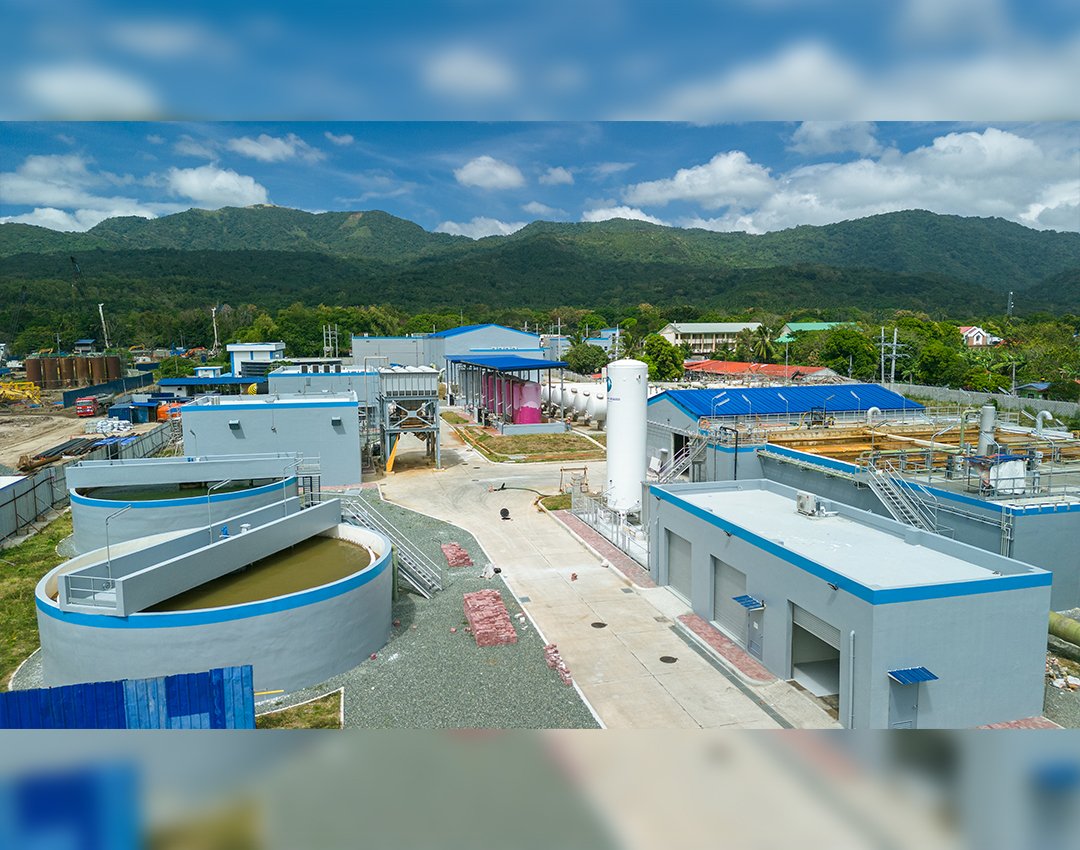
In photo: Manila Water’s 50 MLD East Bay Ph1 Water Treatment Plant, which draws water from the easter flank of Laguna Lake
Manila Water continues to diversify and strengthen its raw water portfolio through strategic investments in alternative water sources from Laguna Lake and Upper Wawa Dam, enhancing its preparedness for the looming strong El Niño.
As the water sector prepares for the anticipated strong El Niño which may extend to the first half of 2027, Manila Water continues to fortify its portfolio of additional raw water sources through major infrastructure investments designed to enhance supply reliability and reduce dependence on traditional water sources. These initiatives form part of the company’s long-term strategy to ensure uninterrupted water service for customers across the East Zone amid increasingly variable climate conditions.
Over the years, Manila Water has steadily expanded its water supply portfolio beyond the Angat-Ipo-La Mesa water system by developing new water sources from Laguna Lake and the Wawa-Antipolo water system. The company’s diversified approach strengthens operational flexibility and allows it to better manage risks associated with prolonged dry periods, declining reservoir levels, and growing customer demand.
A key component of this strategy is the near completion of the 200-million-liter-per-day (MLD) East Bay Phase 2 Water Supply System Project, which sources raw water from the eastern flank of Laguna Lake. The project recently achieved a major milestone with the completion of its 31.5-kilometer submarine transmission pipelines, bringing Manila Water closer to delivering an additional 200 MLD of supply to the East Zone. Together with the existing 50-MLD East Bay Phase 1 Water Treatment Plant, the system will provide a combined 250 MLD of water from Laguna Lake, helping strengthen water security ahead of the anticipated strong El Niño.
Complementing this is the nearly completed 220-MLD Kaysakat Water Treatment Plant in Antipolo City, a major component of the Wawa-Calawis (Kaysakat) Water Supply System Phase 2. The facility will treat raw water from the Wawa Dam system and significantly expand Manila Water’s ability to deliver potable water to customers, particularly during periods when traditional water sources come under pressure.
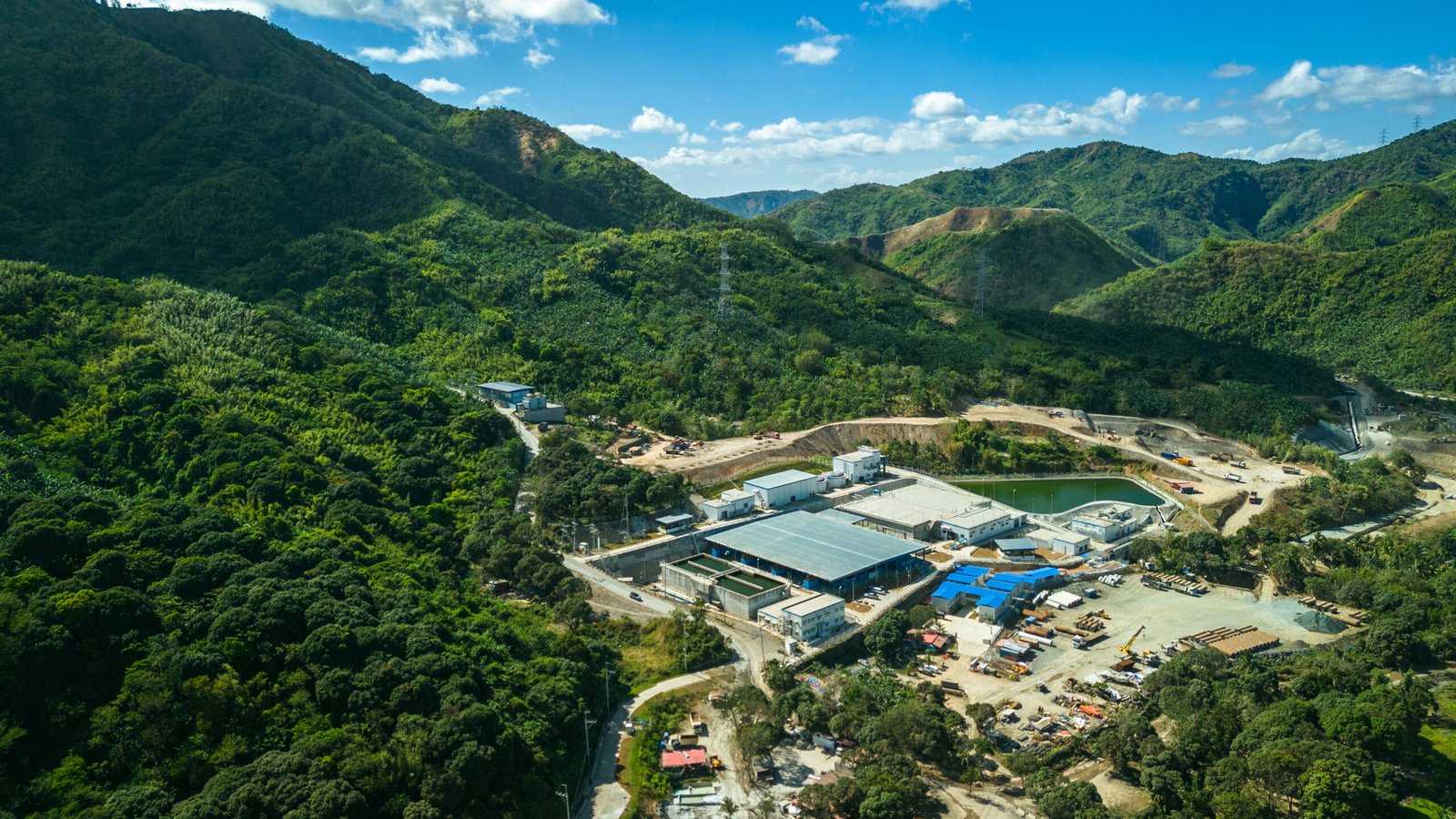
In photo: Manila Water’s 80-MLD Calawis Treatment Plant, which is part of the Wawa-Calawis Water System.
These projects build on Manila Water’s existing supply augmentation facilities, including the 100-MLD Cardona Water Treatment Plant, the 50-MLD East Bay Phase 1 Water Treatment Plant, and the 80-MLD Calawis Water Treatment Plant, all of which help diversify the company’s supply portfolio and strengthen water security across its service area.
“Preparing for a possible strong El Niño requires more than short-term measures. It requires continuous investments in more sustainable raw water sources that can help ensure a reliable water supply despite changing climate conditions. Through the near completion of the East Bay
Phase 2 and Kaysakat projects, we are significantly expanding our supply portfolio and strengthening the East Zone’s resilience against future dry periods,” said Dittie Galang, Corporate Communications Group Head of Manila Water.
Manila Water’s heavy investments in raw water facilities enhance operational flexibility, strengthen supply resilience and better prepares its system for extended periods of El Nino. Through the continued development of diversified raw water sources, the company remains committed to ensuring safe, reliable, and adequate 24/7 water service for customers across the East Zone.
 129
129